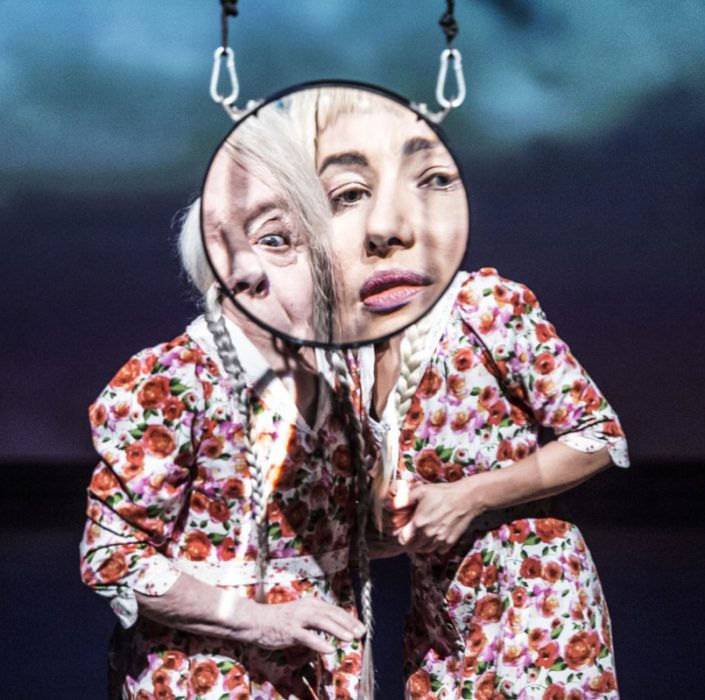
Zobacz jeden z największych przebojów TR Warszawa!

Spektakl dedykowany pamięci Danuty Szaflarskiej (1915-2017)
- Reżyseria
-
Tekst
Dorota Masłowska
-
Premiera
26 marca 2009 (Schaubühne am Lehniner Platz, Berlin)
-
Czas trwania
1 godz. 40 min (bez przerwy)
-
Bilety
Bilet normalny: 120 złBilet ulgowy: 80 złBilet grupowy (powyżej 10 osób): 70 złBilet na spektakl Sylwestrowy: 195 zł
Spektakl rekomendowany dla widzów od 14 roku życia.
O spektaklu
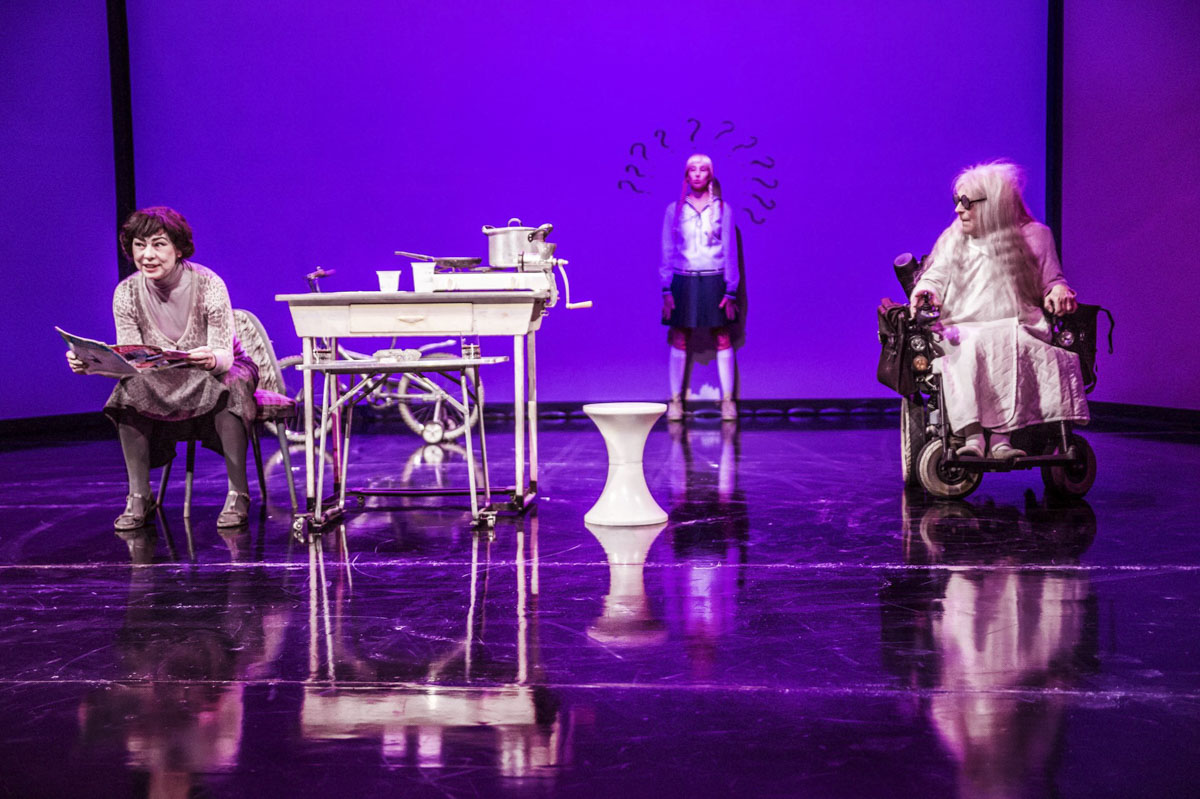
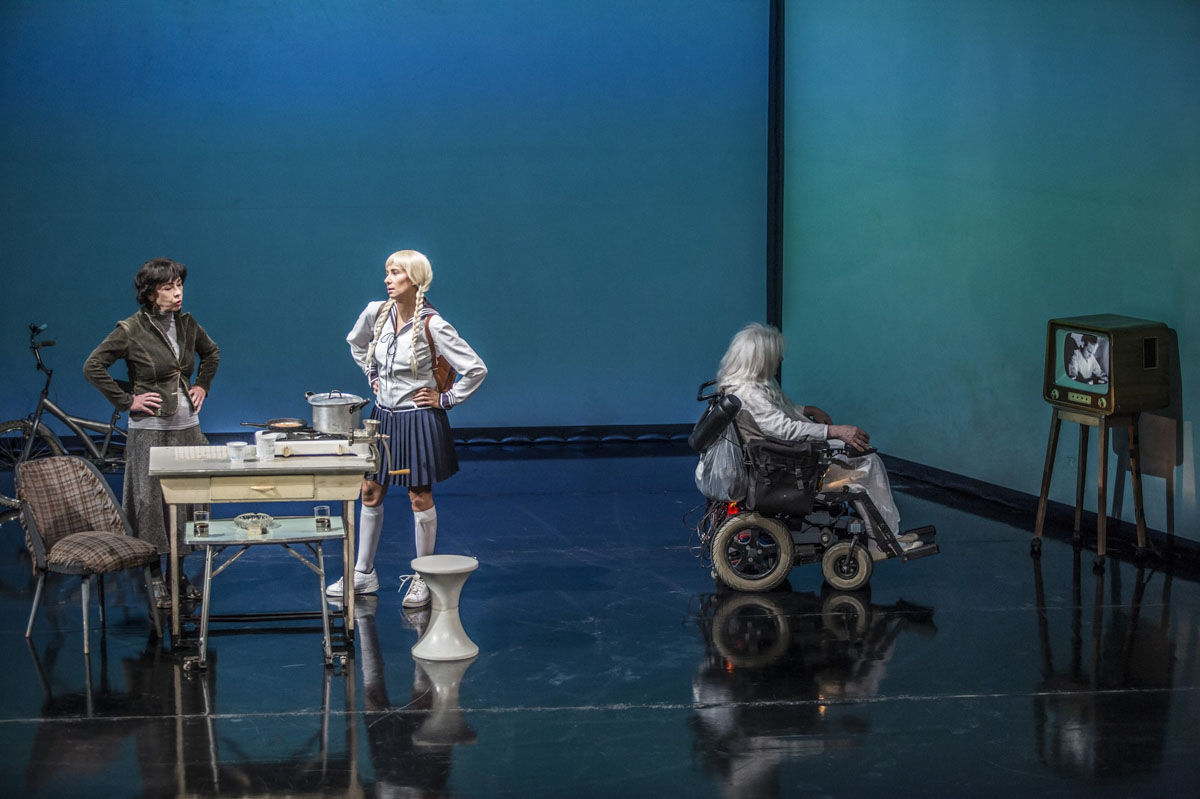
„Między nami dobrze jest” to jeden z największych przebojów TR Warszawa, oblegany przez widzów, chwalony przez krytykę i wielokrotnie nagradzany na festiwalach. Spektakl Grzegorza Jarzyny, jednego z najważniejszych polskich reżyserów, oparty jest na sztuce Doroty Masłowskiej, nominowanej do Nagrody Literackiej NIKE. To śmieszny i poruszający portret podzielonego polskiego społeczeństwa, przytłoczonego ciężarem traumatycznej historii, rozdartego między narodową dumę i poczucie wstydu. Za pomocą szalonego, pełnego inwencji języka i ostrego jak brzytwa humoru Masłowska portretuje współczesną Polskę, w której nuworysze, pseudoartyści i medialni celebryci spotykają się z rozczarowaną młodzieżą i żyjącymi na skraju ubóstwa ludźmi z klasy pracującej. Wszyscy próbują utrzymać się na powierzchni toksycznej mieszaniny komercji, katolickiego nacjonalizmu i idealizowanej tragicznej przeszłości.
W premierowej wersji spektaklu rolę Osowiałej Staruszki grała legendarna aktorka Danuta Szaflarska, członkini zespołu TR Warszawa, zmarła w 2017 roku. Była jedną z najdłużej aktywnych na scenie artystek teatru, występowała w „Między nami dobrze jest” jeszcze w wieku 101 lat. W nowej wersji przedstawienia Danutę Szaflarską zastąpił Lech Łotocki, wybitny aktor, występujący w TR Warszawa od początku istnienia tego zespołu.
Dla grup zorganizowanych ze szkół ponadpodstawowych oferujemy warsztaty wprowadzające do spektaklu (prosimy o kontakt z zespołem pedagogiki teatru: katarzyna.batarowska@trwarszawa.pl).
Spektakl powstał w koprodukcji TR Warszawa i Schaubühne am Lehniner Platz.
Obsada





Twórcy i twórczynie
tekst: Dorota Masłowska
reżyseria: Grzegorz Jarzyna
scenografia: Magdalena Maciejewska
kostiumy: Magdalena Musiał
reżyseria światła: Jacqueline Sobiszewski
opracowanie muzyczne: Piotr Domiński, Grzegorz Jarzyna
wideo: Cókierek, Pani K.
Galeria
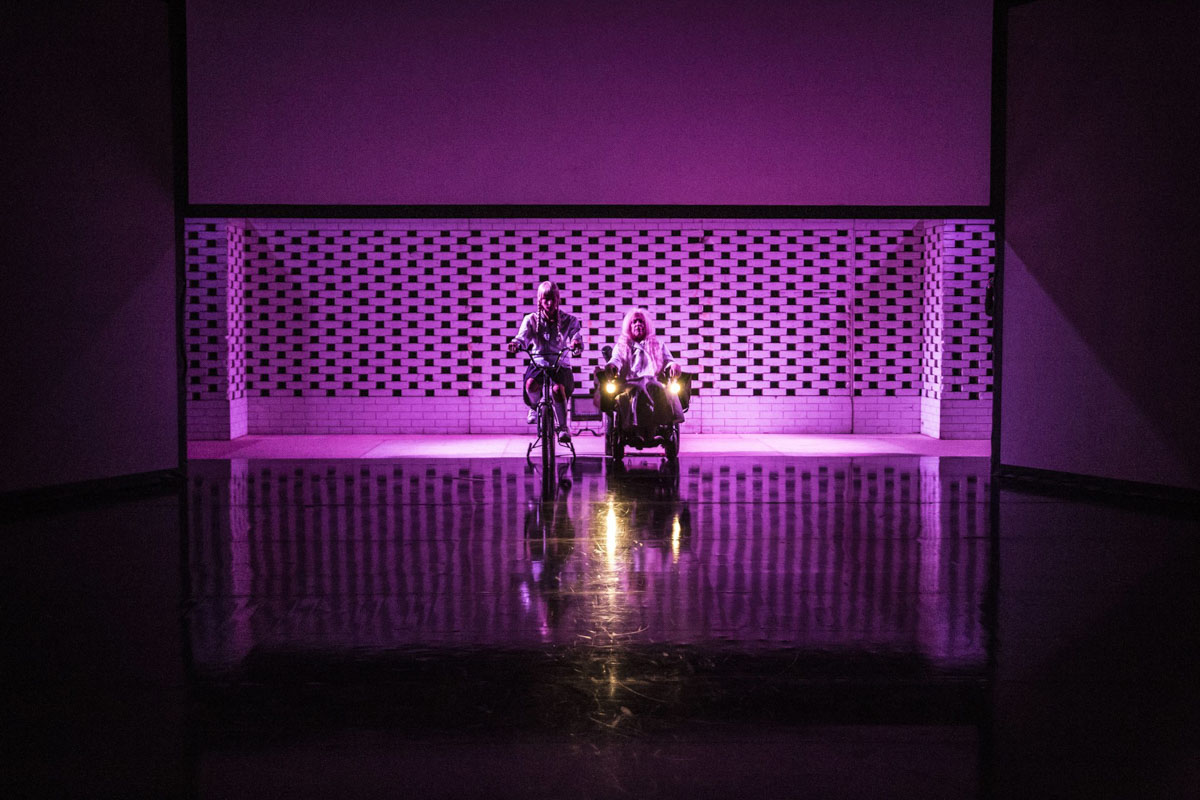
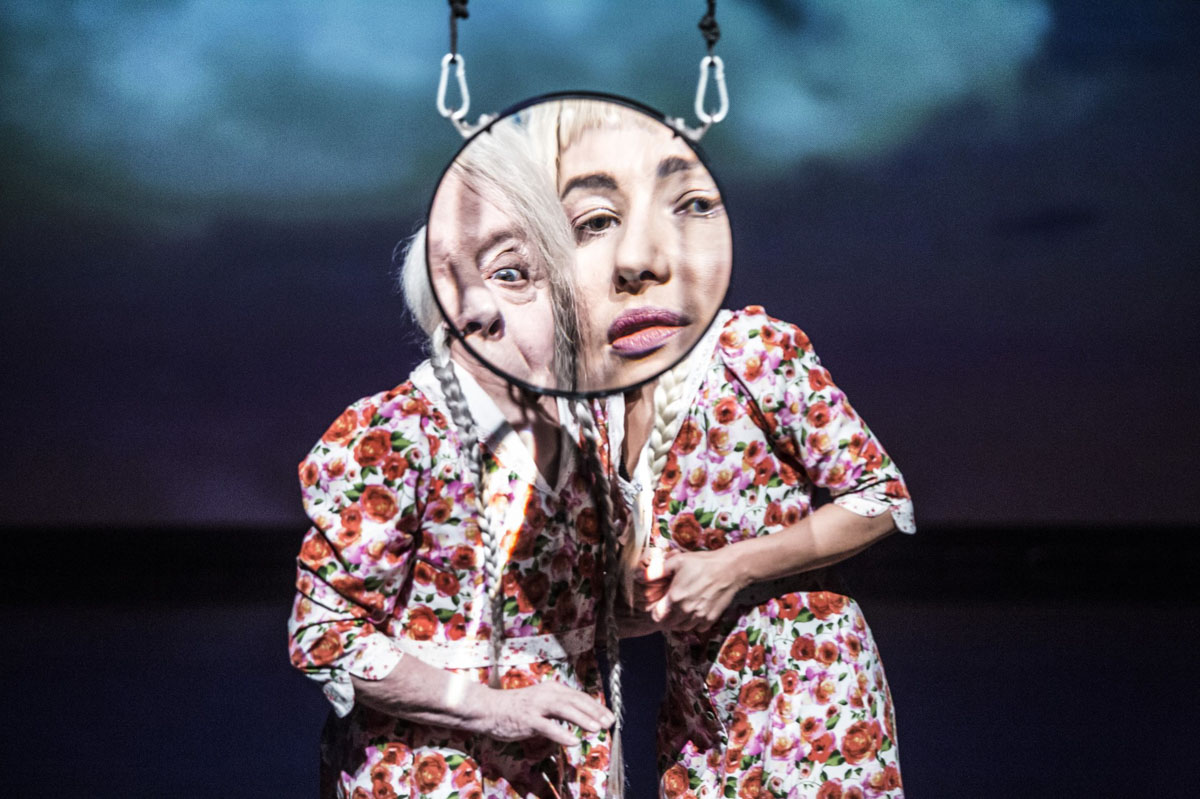
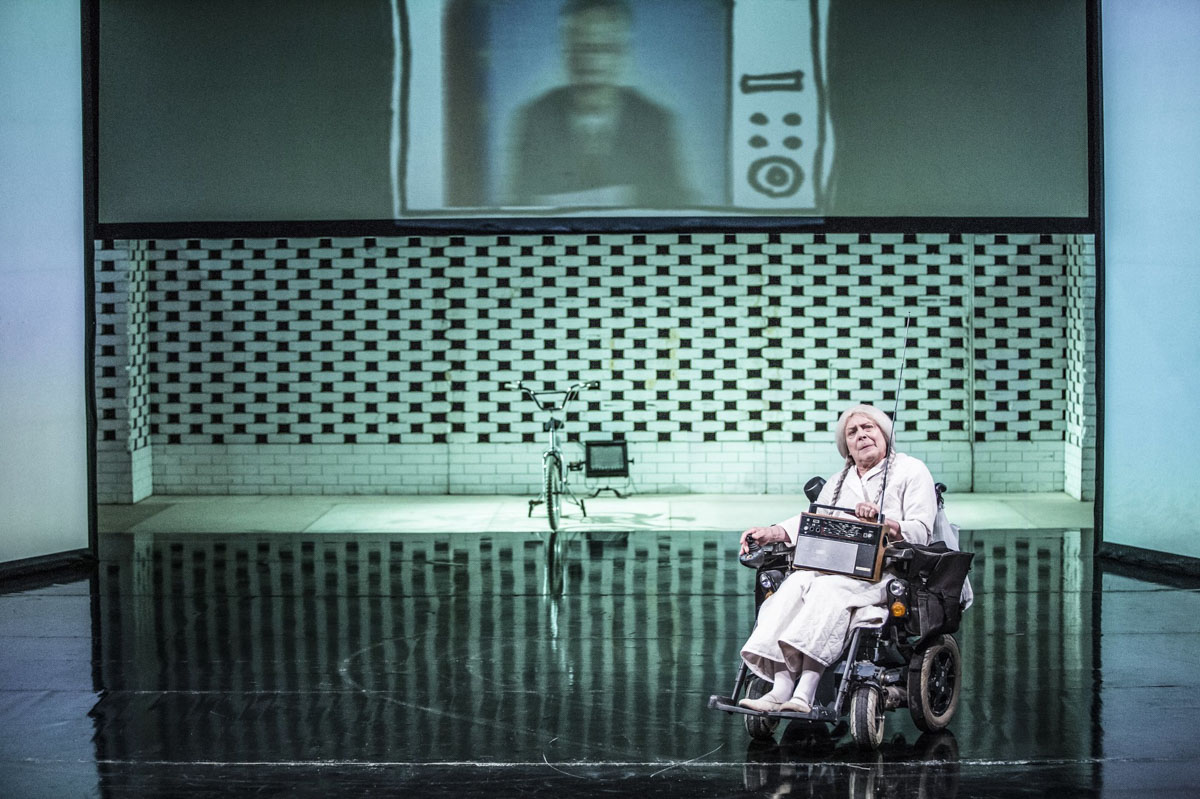
fot. Natalia Kabanow
Recenzje
-
„Masłowska z niezwykłym talentem potrafi naśladować autentyczne głosy i w swojej drugiej sztuce idealnie oddaje język różnych środowisk i pokoleń. W grożących zawaleniem murach warszawskiej kamienicy czynszowej umieszcza panoramę polskiego społeczeństwa, równie plastyczną, jak ponurą, która w swoim przejaskrawieniu przedstawia warstwy zbiorowego rozpadu, tak że widzowi śmiech więźnie w gardle.”
-
„Jarzyna uchwycił niejako duszę tego tekstu i wydobył jego surrealistyczny rdzeń: podchodzi do tego dramatu nie tylko od jego dowcipnej strony, ale pozwala mu także zabłysnąć jako tragikomicznej, wyzutej z realizmu farsy. Trzy ekrany, brzęcząca muzyka, animowane dodatki i sposób gry oparty na ironicznej aluzji sprawiają, że spektakl w cudownie wieloznaczny sposób oscyluje między powagą i żartem.”
-
„W ustach aktorów frazy Masłowskiej mogą bowiem zyskać właściwe znaczenie, scena pogłębia perspektywę. Na tym polega znaczenie prapremierowej inscenizacji Grzegorza Jarzyny. (…) Jarzyna nadał jej niemal doskonały kształt sceniczny.”
Nagrody
-
Nagroda im. Konrada Swinarskiego
Nagroda dla Grzegorza Jarzyny przyznana przez miesięcznik „Teatr” dla najlepszego reżysera w sezonie 2008/2009
-
Nagroda Główna
Nagroda IX Ogólnopolskiego Festiwalu Dramaturgii Współczesnej „Rzeczywistość przedstawiona” w Zabrzu dla Grzegorza Jarzyny
-
Nagrody aktorskie
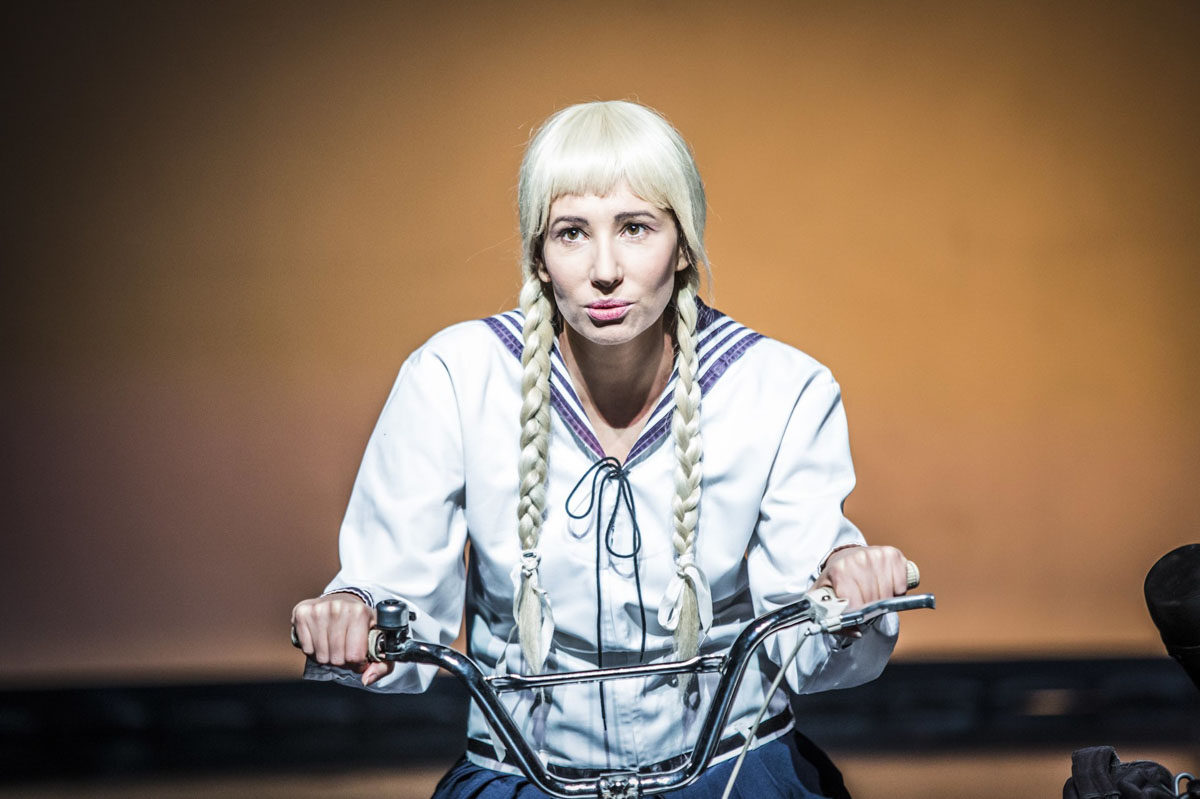
Nagrody IX Ogólnopolskiego Festiwalu Dramaturgii Współczesnej „Rzeczywistość przedstawiona” w Zabrzu dla grających główne role w spektaklu Aleksandry Popławskiej za rolę Małej Metalowej Dziewczynki i Danuty Szaflarskiej za rolę Osowiałej Staruszki Na Wózku Inwalidzkim
-
Grand Prix
Nagroda Publiczności IX Ogólnopolskiego Festiwalu Dramaturgii Współczesnej „Rzeczywistość przedstawiona” w Zabrzu
-
Medal im. Stanisława Bieniasza
Dla najlepszego dramatopisarza IX Ogólnopolskiego Festiwalu Dramaturgii Współczesnej „Rzeczywistość przedstawiona” w Zabrzu dla Doroty Masłowskiej
-
Grand Prix dla najlepszego spektaklu
„Za otwarte przyjrzenie się współczesnej Polsce: jednocześnie pełne ironii i prawdziwej głębi. Spektakl sięgający wyżyn pod każdym względem: reżyserii, gry aktorskiej, koncepcji, scenografii oraz spójnej realizacji” na II Międzynarodowym Festiwalu Teatralnym „Boska Komedia”
-
Wyróżnienie Specjalne za tekst
„Za inteligentne ukazanie podwójnych i potrójnych znaczeń w znaczeniach a także niespodziewanych rozwiązań na każdym kroku” na II Międzynarodowym Festiwalu Teatralnym „Boska Komedia”
-
Nagroda im. Jacka Woszczerowicza
Nagroda ufundowana przez ZASP dla Danuty Szaflarskiej, wyróżnienie aktorskie dla Aleksandry Popławskiej na 50. Kaliskich Spotkaniach Teatralnych
-
Nagroda Zespołowa
Dla twórców i realizatorów za najlepsze przedstawienie podczas XVI Ogólnopolskiego Konkursu na Wystawienie Polskiej Sztuki Współczesnej
-
Nagroda za tekst
Dla Doroty Masłowskiej na XVI Ogólnopolskim Konkursie na Wystawienie Polskiej Sztuki Współczesnej
-
Nagroda za rolę męską
Dla Adama Woronowicza na XVI Ogólnopolskim Konkursie na Wystawienie Polskiej Sztuki Współczesnej
-
Grand Prix
Nagroda 46. Przeglądu Małych Form Teatralnych „Kontrapunkt” w Szczecinie
Wyjazdy
Festiwal Komedii festCo, Bukareszt (27.05.2018)
Międzynarodowy Festiwal „Raduga”, Sankt Petersburg (24.05.2013)
Sibiu International Festival, Teatru National „Radu Stanca”, Rumunia (25.05.2012)
46. Ogólnopolski Przegląd Teatrów Małych Form „Kontrapunkt”, Szczecin (11.04.2011)
XX Międzynarodowy Festiwal Teatralny Divadelna Nitra (23.09.2011)
XVI Festiwal „Konfrontacje Teatralne”, Lublin (18-19.10.2011)
Międzynarodowe Forum Sztuki Teatralnej „Teatr”, Mińsk (25-26.10.2011)
Festiwal Una Mirade del Mundo, Madryt (4,5,6.11.2011)
Bozar, Bruksela (3-4.12.2011)
Festiwal „Złota Maska”, Moskwa (02.04.2010)
50. Kaliskie Spotkania Teatralne – Festiwal Sztuki Aktorskiej (8.05.2010)
III Festiwal Wybrzeże Sztuki, Gdańsk (28-29.06.2010)
Stage – Helsinki Theatre Festival (19-20.08.2010)
II Międzynarodowy Festiwal Teatralny „Boska Komedia”, Kraków (11-12.12.2009)
Festiwal Prapremier, Bydgoszcz (5.10.2009)
V Międzynarodowy Festiwal Teatralny „Dialog”, Wrocław (10.10.2009)
Festiwal „Rzeczywistość przedstawiona”, Zabrze (17.10.2009)
Schaubühne am Lehniner Platz, Berlin (26-29.03.2009)
Partnerzy
Spektakl powstał w koprodukcji TR Warszawa i Schaubühne am Lehniner Platz.